
A properly built garden room is comfortable every day of the year. A cheap one is
unusable from November. The difference is not the heater. It is insulation, the vapour
barrier, and the quality of the glazing and doors.
What makes a garden room warm
Insulation in all three planes
Floor, walls and roof. The roof matters most because heat rises, and the floor matters more than
people expect because the building sits on cold ground. Skimping on any one of the three undoes the
other two.
A vapour barrier that is actually continuous
Warm damp air from inside meeting cold structure is what causes condensation and, over time,
rot. The vapour barrier has to be continuous and properly sealed at every junction. This is the
part you cannot see and cannot fix later, and it is where corners get cut.
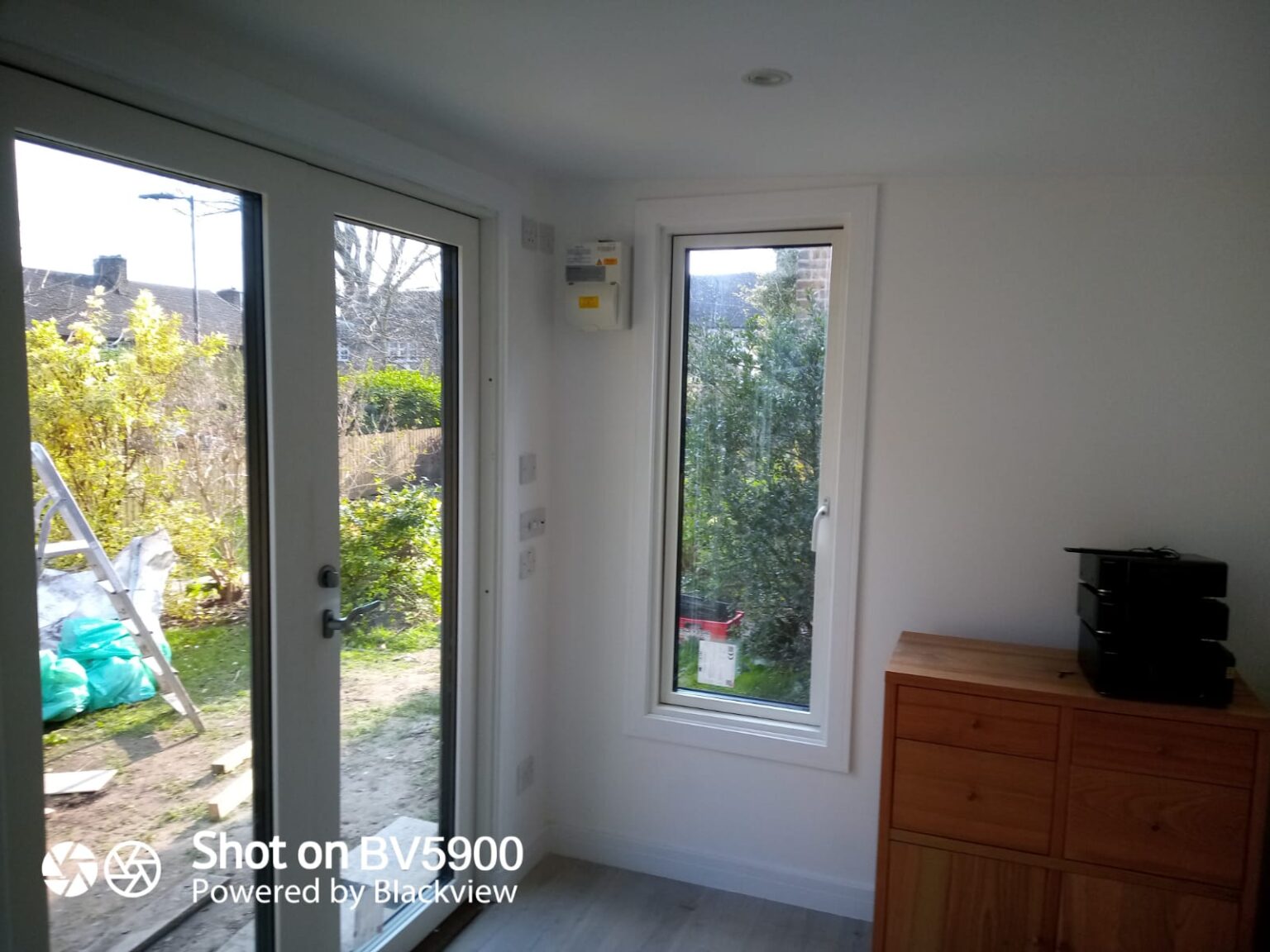
Glazing and doors
A big glazed elevation is the point of a garden room, but glass is the weakest thermal element in
the building. Quality units in well made frames, properly sealed, are what stop the room feeling
cold near the doors.
Airtightness
Draughts around badly fitted doors and service penetrations will defeat any amount of insulation.
Why cheap garden rooms fail in winter
A flat pack building from a garden centre is usually a single skin of timber with thin or no
insulation, no vapour control, and basic glazing. It is fine as a store. As a room you sit in for
eight hours in January, it is cold, damp and expensive to heat. That is the gap between a shed and
a garden room, and it is entirely in the parts you cannot see from outside.
Summer matters too
The same building that is cold in winter is often unbearable in July, because a lot of south
facing glass with no shading and no ventilation turns into a greenhouse. Overhangs, opening
windows, and in some cases a heat pump that cools as well as heats, are worth designing in from the
start.
Every build in our garden building project gallery is insulated, wired and finished for year round use, whether it is
a garden office builders in East Dulwich or a garden yoga and exercise studios.
Frequently asked questions
Can you use a garden room all year round?
Yes, if it is properly insulated in floor, walls and roof, has a continuous vapour barrier and decent glazing. Those three things matter more than the heating.
Do garden rooms get damp?
A well built one does not. Damp is usually caused by a missing or discontinuous vapour barrier letting warm moist air reach cold structure, or by an inadequate base.
How much does it cost to heat a garden room?
In a well insulated building, very little, because a small thermostatic heater holds temperature easily. In a poorly insulated one the running cost is high and it still feels cold.
Do garden rooms need ventilation?
Yes. Ventilation controls moisture in winter and overheating in summer, particularly in a building with a lot of glazing.
Thinking about a garden building?
We design and build bespoke garden rooms and studios, purpose built garden offices, garden art and music studios, garden yoga and exercise studios and bespoke garden sheds and storage across East Dulwich, Dulwich, Peckham and the surrounding South London areas. See our garden building project gallery or the project map of every build, then book a free site visit and we will give you an honest estimate with no obligation.